
The history of Ölfusborgir
The Ölfusborgir timeline
The history of Ölfusborgir goes back to the struggle of wage earners for the right to holiday. Here the story is followed from the passing of the Holiday Act in 1943, through the building and handover of Ölfusborgir and on to the present day.
1943
10 February 1943
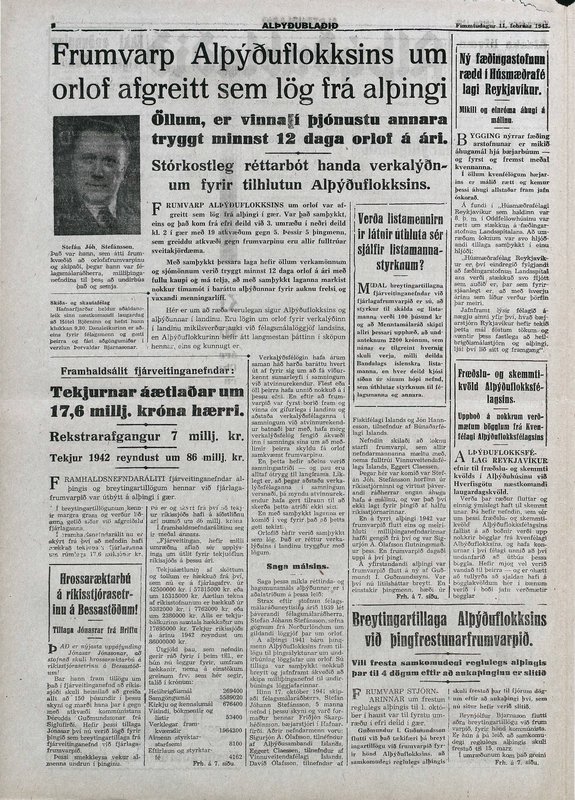
The Holiday Act for wage earners
The Holiday Act for wage earners is passed at Alþingi, after clauses on the right to holiday had entered general collective agreements. At first twelve paid holiday days were envisaged, but their number was to grow in the years that followed.
1957
The contribution of the state
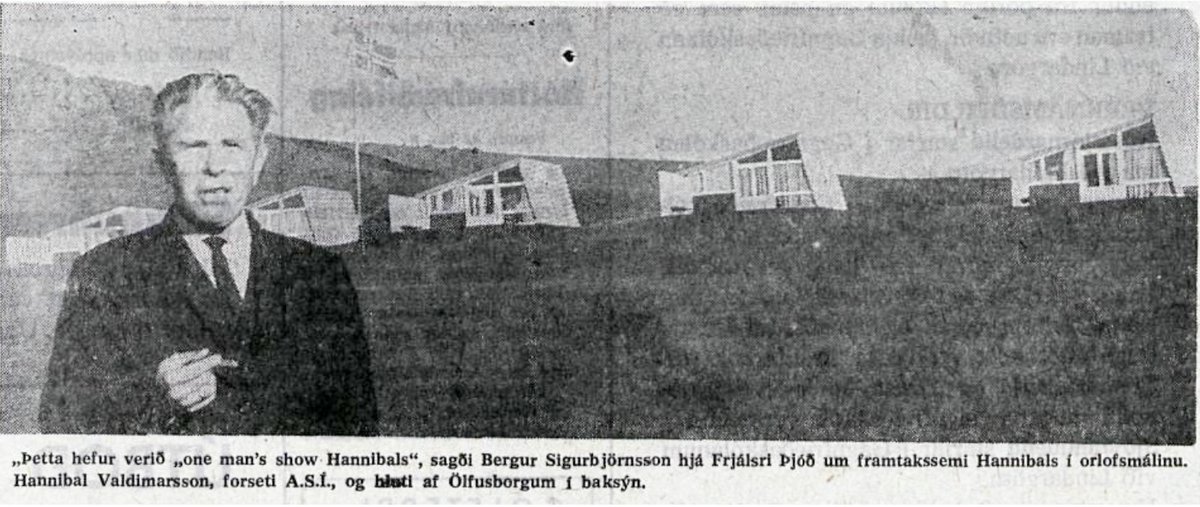
In the years 1957 and 1958 the government allocated considerable funds to the holiday home fund of the labour movement. Just before the change of government at the end of 1958, Hannibal Valdimarsson, Minister of Social Affairs who also served as president of ASÍ, gave a promise of land for a holiday home settlement.
1962
Groundbreaking
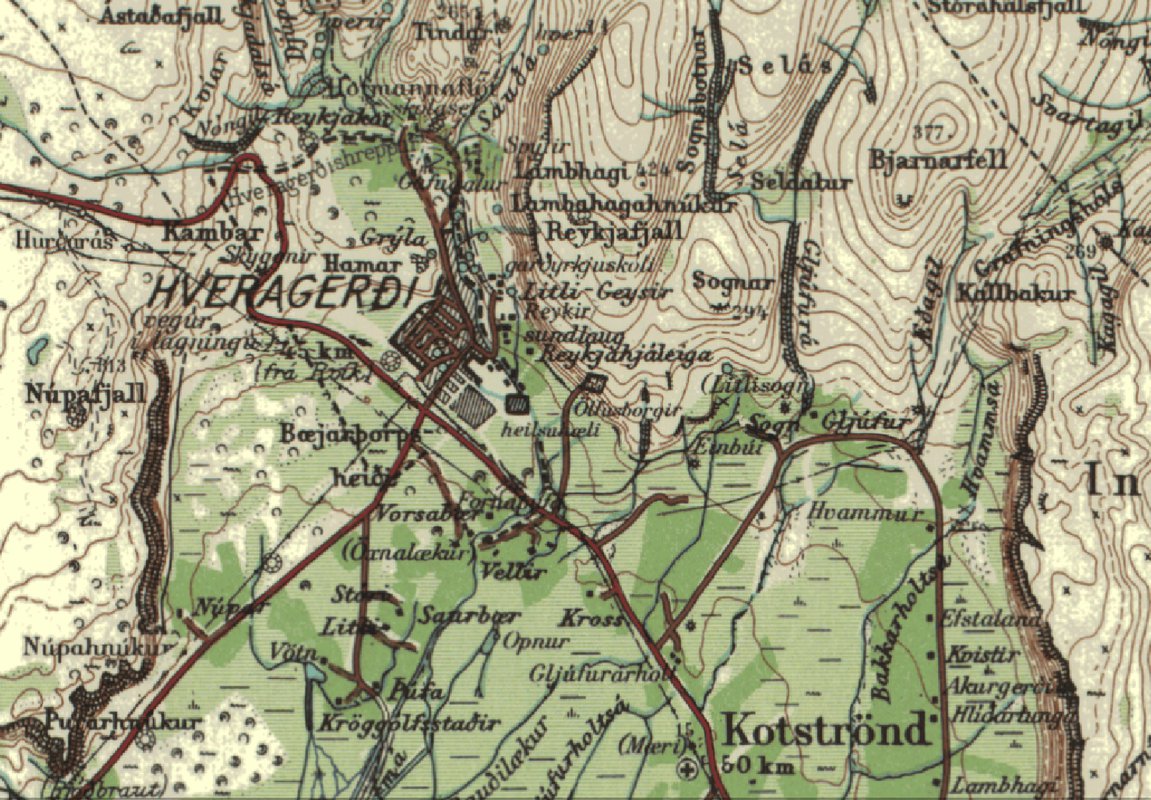
The Minister of Agriculture makes a twelve-hectare plot of land from the Reykjir estate available to ASÍ. Preparations for the holiday home settlement begin in earnest. Groundworks are undertaken and the architect Sigvaldi Thordarson is commissioned to design the houses. The first holiday guests stayed on the site in June 1964.
1965
12 September 1965
Handover of Ölfusborgir
The holiday homes beneath Reykjafjall in Ölfus were handed over to the Confederation of Labour of Iceland. Hannibal Valdimarsson, president of ASÍ, received the buildings with a speech, explained the history of the holiday homes and announced the new name of the settlement — Ölfusborgir.
1966
The beginning of Ölfusborgir
Ölfusborgir begins operations as a holiday village of the labour movement.
1968
The Cultural and Educational Centre of the People
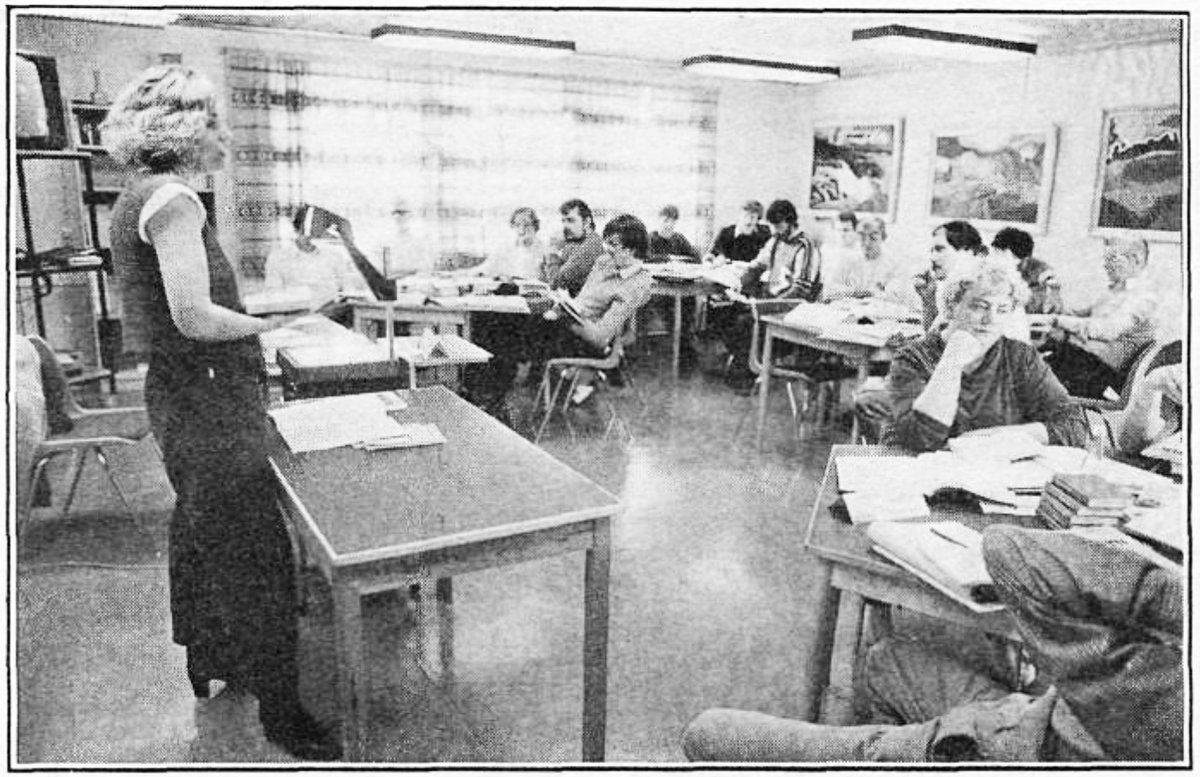
The Cultural and Educational Centre of the People is established on Nordic lines. Among its main fields is running the School of Social Affairs of the People, intended to train trustmen of the labour movement. For a period of years Ölfusborgir was the main venue for that education.
1973
23 January 1973
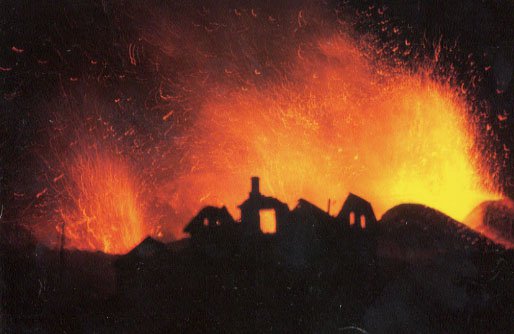
The eruption in Heimaey
An eruption begins in Heimaey and all inhabitants of the Westman Islands are forced to move to the mainland. A large group finds shelter in Ölfusborgir. The trade unions respond by renting the Héraðsskóli school at Reykir for one summer for their members.
1977
17 July 1977
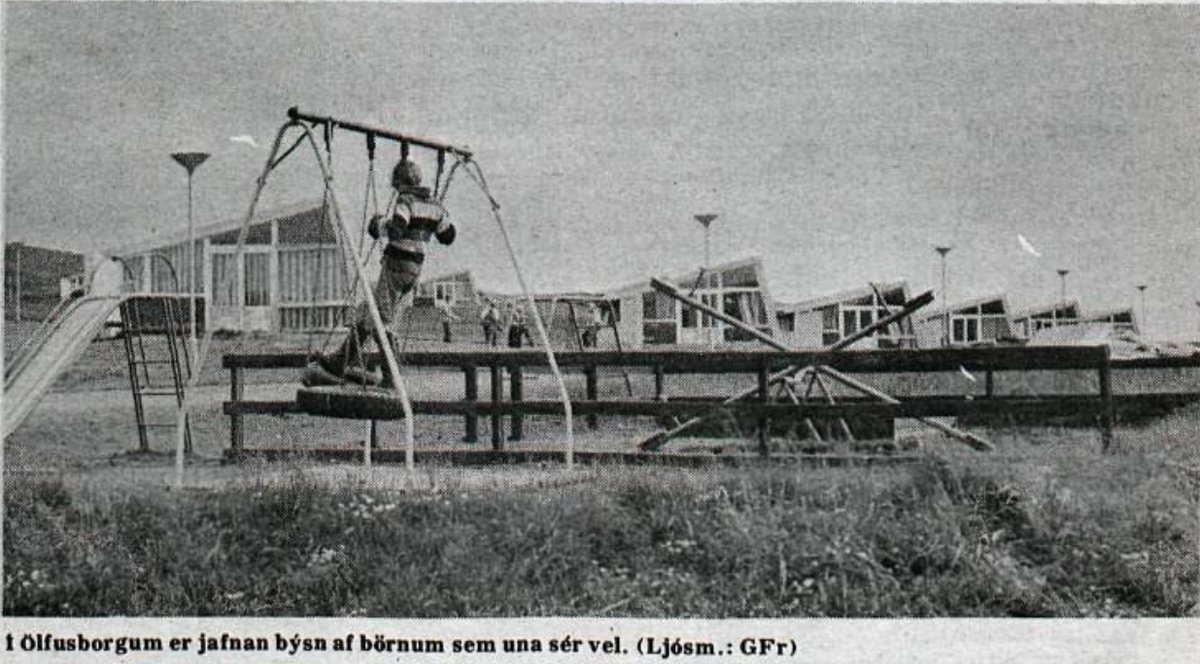
Coverage in the newspaper Þjóðviljinn
„Just east of Hveragerði a cluster of houses can be seen up on the hillside. On a green lawn stand 36 distinctive houses and through the middle of the settlement runs a stream forming a waterfall in the slope. These are the holiday homes of the Confederation of Labour of Iceland.“
1988
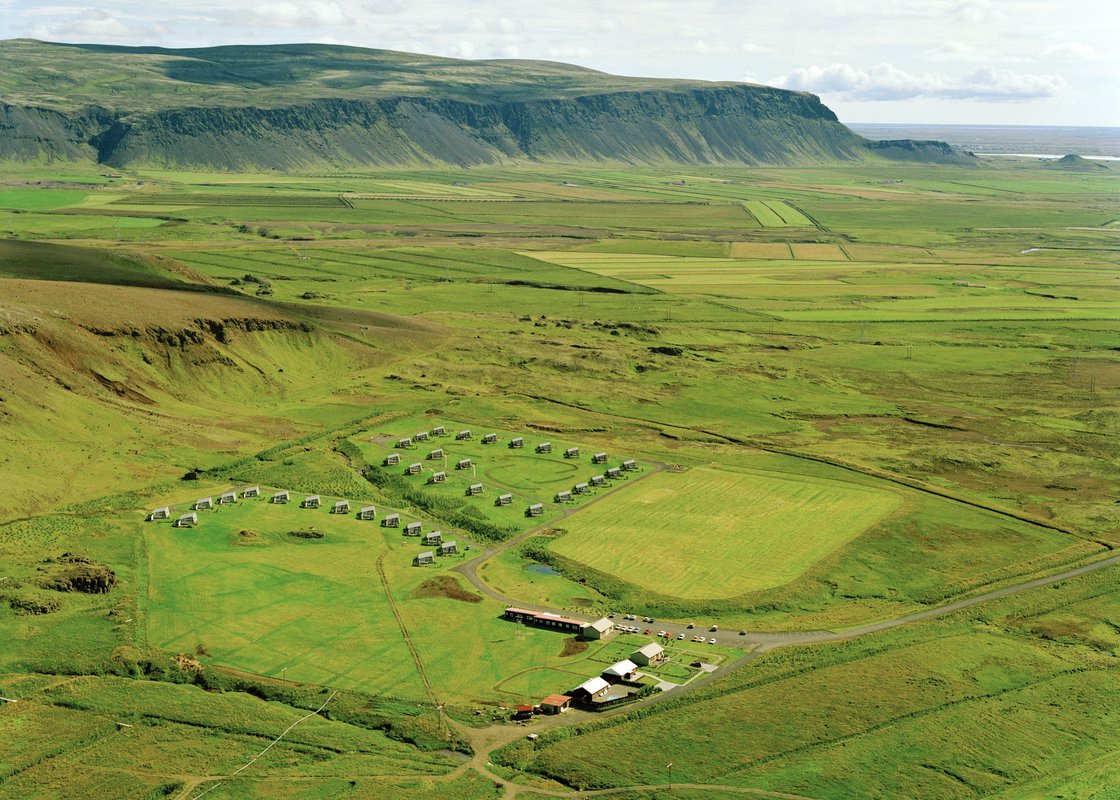
Aerial photograph 1988
In 1988 Mats Wibe Lund flew over the village and the photograph clearly shows how young all the tree growth still was. All the houses are standing.
2005
14 September 2005
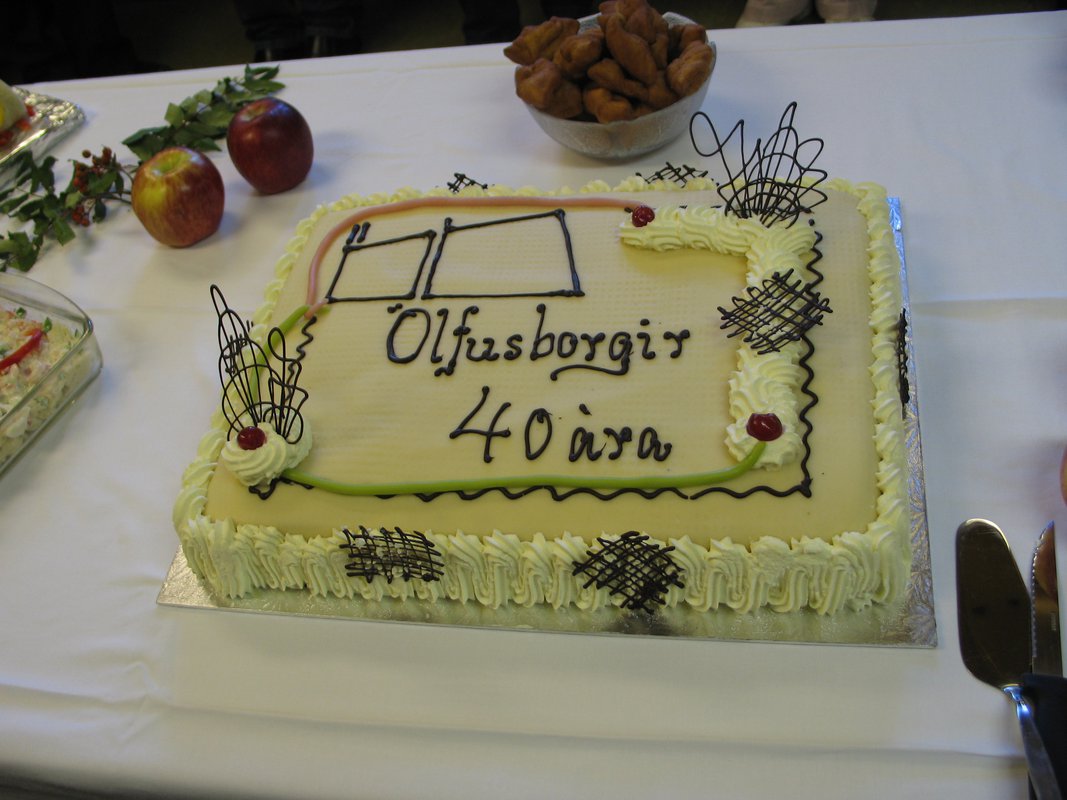
The 40th anniversary of Ölfusborgir
On 14 September the 40th anniversary of Ölfusborgir was celebrated. On that occasion trees were planted in fine weather and guests enjoyed good food in the service centre.
2012
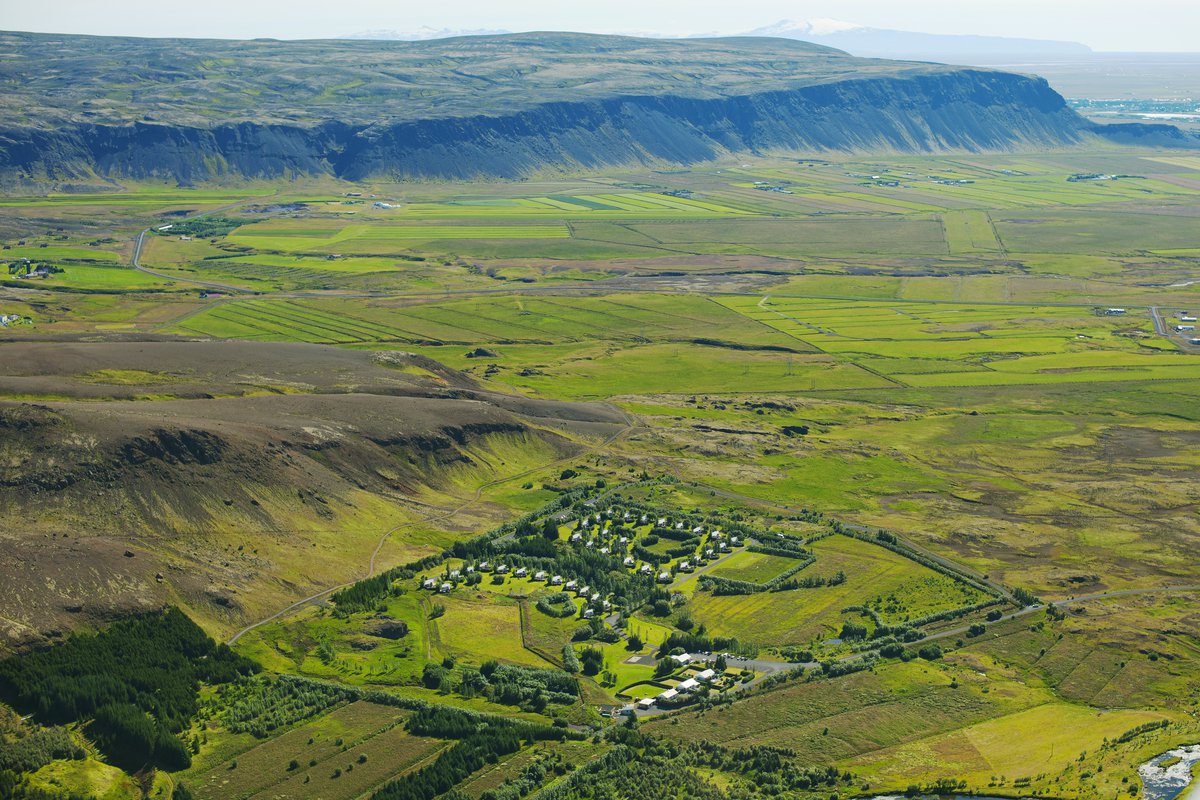
Aerial photograph 2012
Mats Wibe Lund flew over the site in 2012 and there the tree growth has come far since 1988 and some windbreaks have been added.
2016
12 November 2016
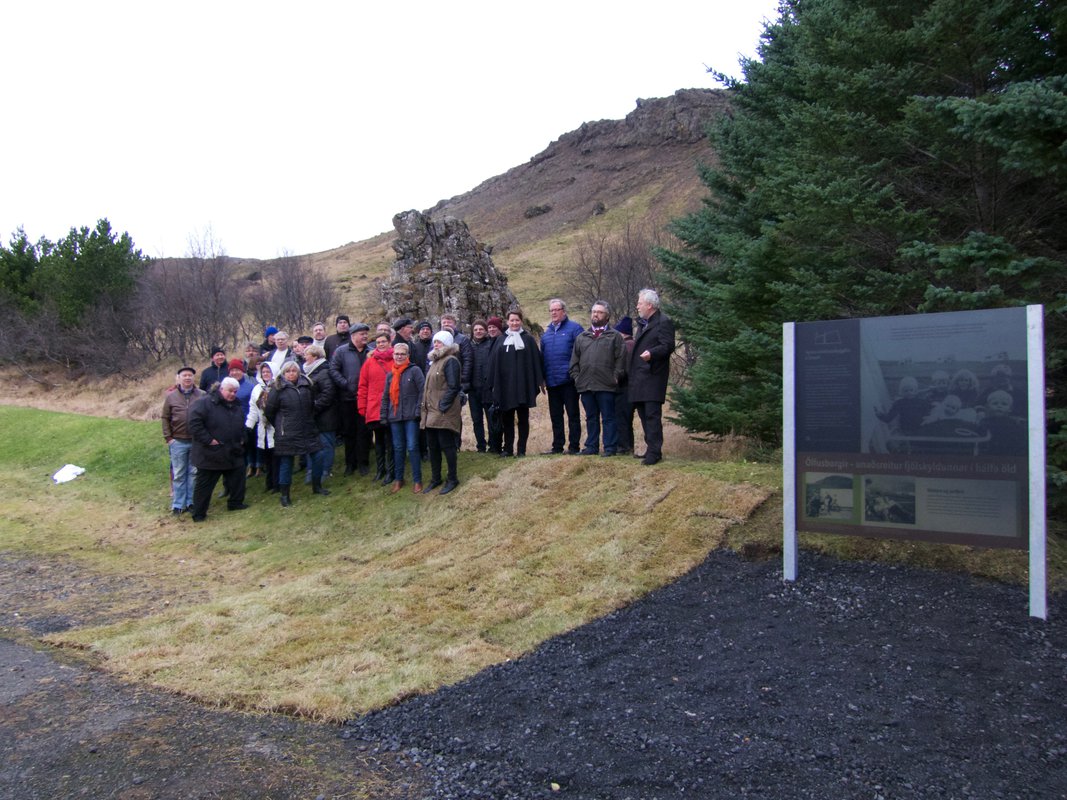
The 50th anniversary of Ölfusborgir
On 12 November 2016 the 50th anniversary of Ölfusborgir was celebrated. On that occasion a history sign was unveiled by the rock at the top of the site. The sign was designed by the artist Guðrún Tryggvadóttir in Ölfus and the historian Stefán Pálsson gave a speech and reviewed the main points.
The story continues
The history of Ölfusborgir does not end here. The site continues to develop and change, at the same time as what has characterised Ölfusborgir from the beginning is preserved — tranquility, nature and togetherness.
Do you have a story from Ölfusborgir?
We want to preserve stories and memories connected with Ölfusborgir. If you have photographs, accounts or other material from the history of the site, we would gladly hear from you.
Share a story or pictures